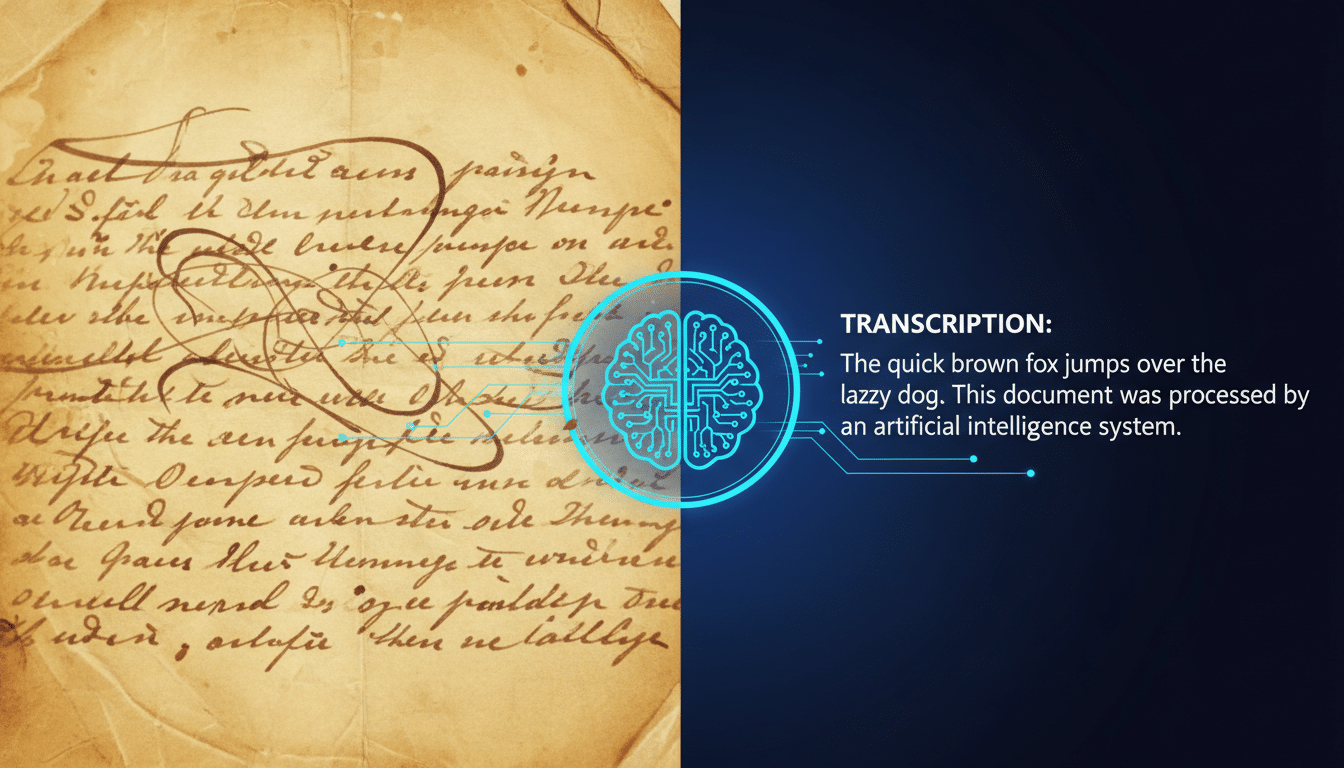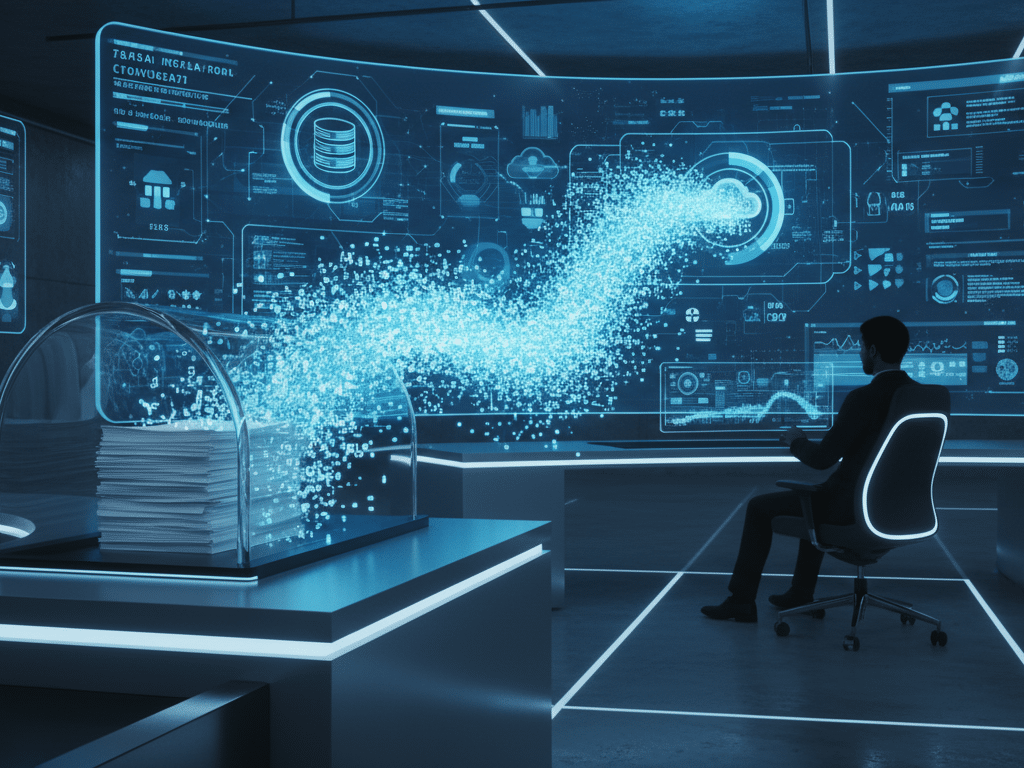
In the modern era of digital transformation, the ability to convert physical information into actionable digital data is a cornerstone of efficiency. Optical Character Recognition, or OCR, is the technology that makes this transition possible. At its core, OCR is a process that identifies text within images, such as scanned documents and photos, and converts it into machine-readable text data. This technology has evolved from simple pattern matching to sophisticated artificial intelligence systems that can understand context, font variations, and even messy handwriting. By leveraging Smart Tools ,Extract text from images and documents with high precision using AI., businesses and individuals can streamline their workflows and eliminate the errors associated with manual data entry.
https://anows.com/custom-tool/optical-character-recognition
Understanding the Foundations of Optical Character Recognition
OCR technology serves as a bridge between the physical and digital worlds. When you scan a document or take a photo of a receipt, the computer initially sees only a collection of pixels—dots of color and light. Without OCR, these pixels carry no inherent meaning to a software application. The OCR process analyzes these pixels to identify shapes that correspond to letters, numbers, and symbols. Once identified, these shapes are converted into character codes, such as ASCII or Unicode, which can then be edited, searched, and stored in databases.
The Multi-Step Process of Text Extraction
The journey from a raw image to a text file involves several critical stages. First is the preprocessing phase, where the image is cleaned to improve recognition accuracy. This includes de-skewing (straightening the image), de-speckling (removing digital noise), and binarization (converting the image to black and white). Next is segmentation, where the software identifies lines of text, words, and individual characters. Finally, the recognition engine compares these segments against known patterns or uses neural networks to predict the most likely character, followed by a post-processing step to correct common spelling errors based on dictionary lookups.
The Role of Artificial Intelligence in Modern OCR
Traditional OCR relied heavily on template matching, where the software compared character shapes against a fixed set of fonts. This method often failed when encountering unusual fonts, low-quality scans, or distorted text. The integration of Artificial Intelligence (AI) and Machine Learning (ML) has revolutionized this field. Modern AI-driven systems do not just look at shapes; they understand the context of the text. This allows for significantly higher precision when extracting data from complex documents.
From Pattern Recognition to Deep Learning
Deep learning models, specifically Convolutional Neural Networks (CNNs) and Recurrent Neural Networks (RNNs), are now the standard for high-end OCR. These models are trained on millions of examples, allowing them to recognize patterns across different languages and handwriting styles. Because they learn features rather than just matching pixels, they can handle variations in lighting, perspective, and background noise that would baffle older systems. This is why Smart Tools ,Extract text from images and documents with high precision using AI. are so effective in real-world scenarios where conditions are rarely perfect.
Key Features of High-Precision OCR Tools
When selecting an OCR solution, it is important to look for features that ensure both accuracy and usability. High-precision tools go beyond basic character recognition to offer comprehensive document understanding. Some of the most vital features include:
- Multi-Language Support: The ability to recognize characters from various scripts, including Latin, Cyrillic, Arabic, and CJK (Chinese, Japanese, Korean).
- Layout Analysis: Maintaining the original structure of the document, such as columns, tables, and headers, during the conversion process.
- Handwriting Recognition (ICR): Intelligent Character Recognition capable of digitizing handwritten notes and forms.
- Cloud Integration: Allowing for the processing of large volumes of documents using scalable cloud computing resources.
- Export Versatility: The option to save extracted data in multiple formats, including PDF, DOCX, JSON, and CSV.
Industry-Specific Applications of OCR
The versatility of OCR technology means it is utilized across a wide range of sectors. Each industry has unique requirements, but the common goal is always the same: turning static images into dynamic data. By using Smart Tools ,Extract text from images and documents with high precision using AI., various sectors have seen dramatic improvements in productivity.
Banking and Financial Services
In the financial sector, OCR is used to process checks, invoices, and loan applications. Automated systems can read account numbers, amounts, and signatures with incredible speed. This reduces the time required for transaction processing from days to seconds. Furthermore, OCR aids in regulatory compliance by making it easier to audit large volumes of financial records for discrepancies or fraudulent activity.
Healthcare and Medical Records
Hospitals and clinics deal with massive amounts of paperwork, from patient intake forms to historical medical charts. OCR allows these institutions to digitize patient records, making them easily searchable for doctors and administrative staff. This ensures that critical medical history is available at the point of care, potentially saving lives by preventing medication errors or identifying allergic reactions quickly.
Legal and Compliance
Legal professionals often work with thousands of pages of evidence and contracts. OCR enables “e-discovery,” where lawyers can search through digitized archives for specific keywords or clauses. This significantly reduces the manual labor involved in case preparation and ensures that no critical piece of information is overlooked during a trial or audit.
Benefits of Implementing AI-Driven Text Extraction
The shift from manual data entry to automated OCR provides several transformative benefits for any organization. These advantages extend beyond mere speed, impacting the overall quality of data management and strategic decision-making.
- Increased Accuracy: AI models significantly reduce the human error associated with repetitive data entry tasks.
- Cost Efficiency: Automating document processing reduces the need for large administrative teams, allowing staff to focus on higher-value tasks.
- Searchability and Accessibility: Once text is extracted, it becomes searchable. This allows users to find specific information within seconds, rather than flipping through physical files.
- Data Integration: Extracted text can be fed directly into ERP or CRM systems, ensuring that all parts of a business are working with the same up-to-date information.
Overcoming Challenges in OCR Technology
While AI has vastly improved OCR, certain challenges remain. Understanding these hurdles is key to maximizing the effectiveness of the technology. The quality of the input image is the most significant factor; low resolution, poor lighting, or physical damage to a document can still hinder recognition. To combat this, users should aim for high-quality scans and use tools that offer robust preprocessing capabilities. Additionally, complex layouts with overlapping text or intricate graphics require advanced layout analysis to ensure the data is extracted in the correct order.
The Future of OCR and Document Intelligence
The future of OCR lies in the deeper integration of Natural Language Processing (NLP). Future systems won’t just extract text; they will understand what the text means. For example, a system could automatically categorize an invoice, extract the total amount due, and schedule a payment without any human intervention. We are moving toward a world of “Document Intelligence,” where the software acts as a knowledgeable assistant rather than just a digital copier. As AI continues to advance, the precision and utility of Smart Tools ,Extract text from images and documents with high precision using AI. will only continue to grow.
Conclusion
Optical Character Recognition has evolved from a niche laboratory experiment into a fundamental tool for the modern digital economy. By transforming images into searchable, editable, and actionable data, OCR empowers organizations to work smarter and faster. Whether you are digitizing historical archives or automating daily business processes, the right tools make all the difference. We encourage you to explore the capabilities of AI-driven text extraction to see how it can revolutionize your workflow. Start your journey toward high-precision data management today and unlock the full potential of your digital assets.