
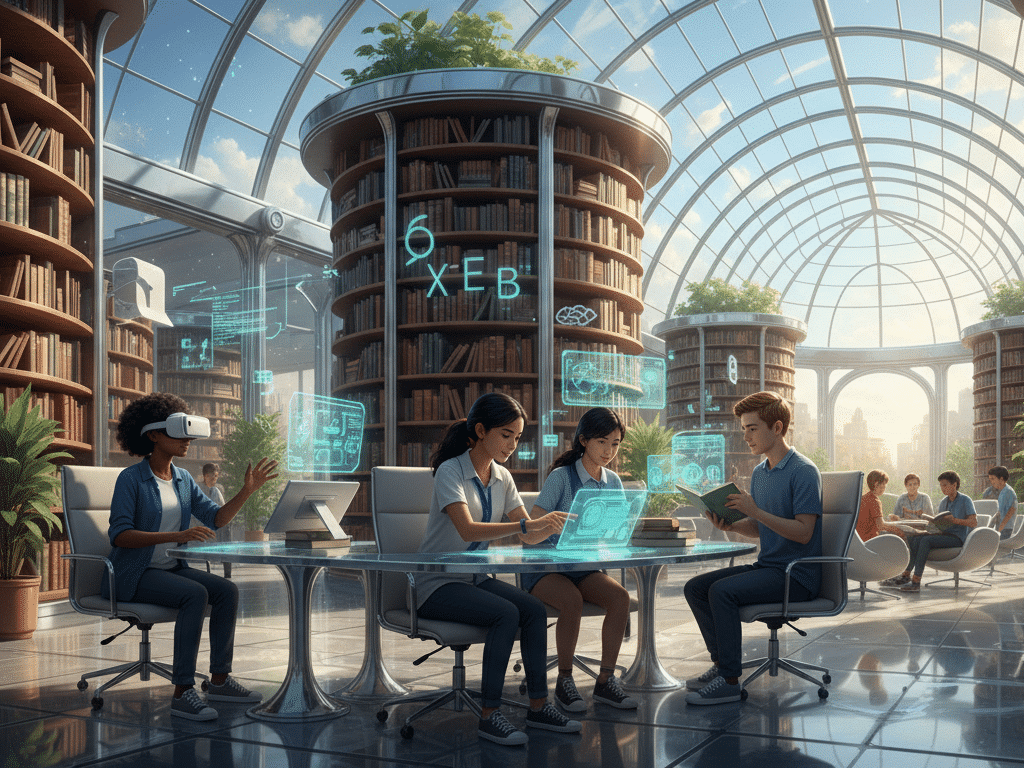
Education and Culture: The Pillars of Modern Development for Today’s Youth
In an era defined by rapid technological shifts and global connectivity, the concepts of education and culture have undergone a profound transformation. No longer confined to the four walls of a classroom or the pages of dusty textbooks, modern development is now driven by a dynamic synergy between traditional values and futuristic innovation. For the youth of today, understanding this intersection is not just an academic requirement; it is a prerequisite for success in the 21st century.
The Intersection of Education and Culture
Education is often seen as the engine of progress, but culture is the fuel that gives it direction. When we talk about development, we cannot ignore the cultural context that shapes how knowledge is perceived and applied. Modern education systems are increasingly recognizing that to be effective, they must respect and integrate cultural diversity.
How Education Preserves Cultural Identity
While technology pushes us toward a globalized society, education serves as a vital tool for preserving cultural heritage. By teaching history, language, and social values, educational institutions ensure that progress does not come at the cost of identity. For the youth, this means being ‘global citizens’ who are firmly rooted in their own cultural foundations.
Globalization and the Exchange of Knowledge
Conversely, culture is also being shaped by education. As students travel abroad or engage in online international courses, they bring back new perspectives. This exchange enriches the local culture, making it more resilient and adaptable to the modern world. The fusion of global knowledge with local wisdom is where true innovation happens.
Modern Technological Advancements in Education
The digital revolution has completely rewritten the script for how we learn. Modern development in education is characterized by accessibility, personalization, and the breaking of geographical barriers.
AI and Personalized Learning
Artificial Intelligence (AI) is perhaps the most significant disruptor in the field of education. AI-driven platforms can now analyze a student’s learning pace and style, offering personalized content that addresses specific weaknesses. This ensures that no student is left behind, regardless of their starting point.
The Rise of E-Learning and Hybrid Models
The shift toward e-learning has democratized information. Whether you are in a bustling city or a remote village, as long as you have internet access, you have the world’s libraries at your fingertips. Platforms like Coursera, Khan Academy, and LinkedIn Learning have made lifelong learning a reality, allowing the youth to upskill at their own pace.
Skills for the Future: Beyond the Classroom
Traditional degrees are no longer the sole benchmark of capability. In the modern landscape, ‘soft skills’ and digital fluency are just as important as academic credentials.
Critical Thinking and Problem Solving
In an age of information overload, the ability to discern fact from fiction is crucial. Education today focuses heavily on critical thinking. Youth are encouraged to question, analyze, and synthesize information rather than just memorizing it. This shift is essential for solving complex global challenges like climate change and economic inequality.
Digital Literacy for the Youth
Digital literacy is no longer an optional skill; it is a fundamental right. Understanding how to navigate digital platforms, protect personal data, and utilize software tools is vital for any career path. Modern development relies on a workforce that is comfortable with coding, data analysis, and digital communication.
Challenges Facing Modern Education Systems
Despite the progress, several hurdles remain. The ‘digital divide’ is a significant concern, where students in underdeveloped regions lack the hardware and connectivity needed for modern education. Furthermore, there is a constant struggle to update curricula fast enough to keep up with the pace of technological change. Addressing these gaps requires a concerted effort from governments, private sectors, and educators worldwide.
Conclusion: Embracing a Lifelong Learning Journey
Education and culture are the twin engines driving modern development. For the youth, the message is clear: the end of formal schooling is only the beginning of your education. By remaining curious, respecting your cultural roots, and embracing new technologies, you can navigate the complexities of the modern world with confidence.
Are you ready to take the next step in your personal development? Start exploring a new skill today and become a part of the global movement toward a brighter, more educated future!